

STUDIO APPROACH
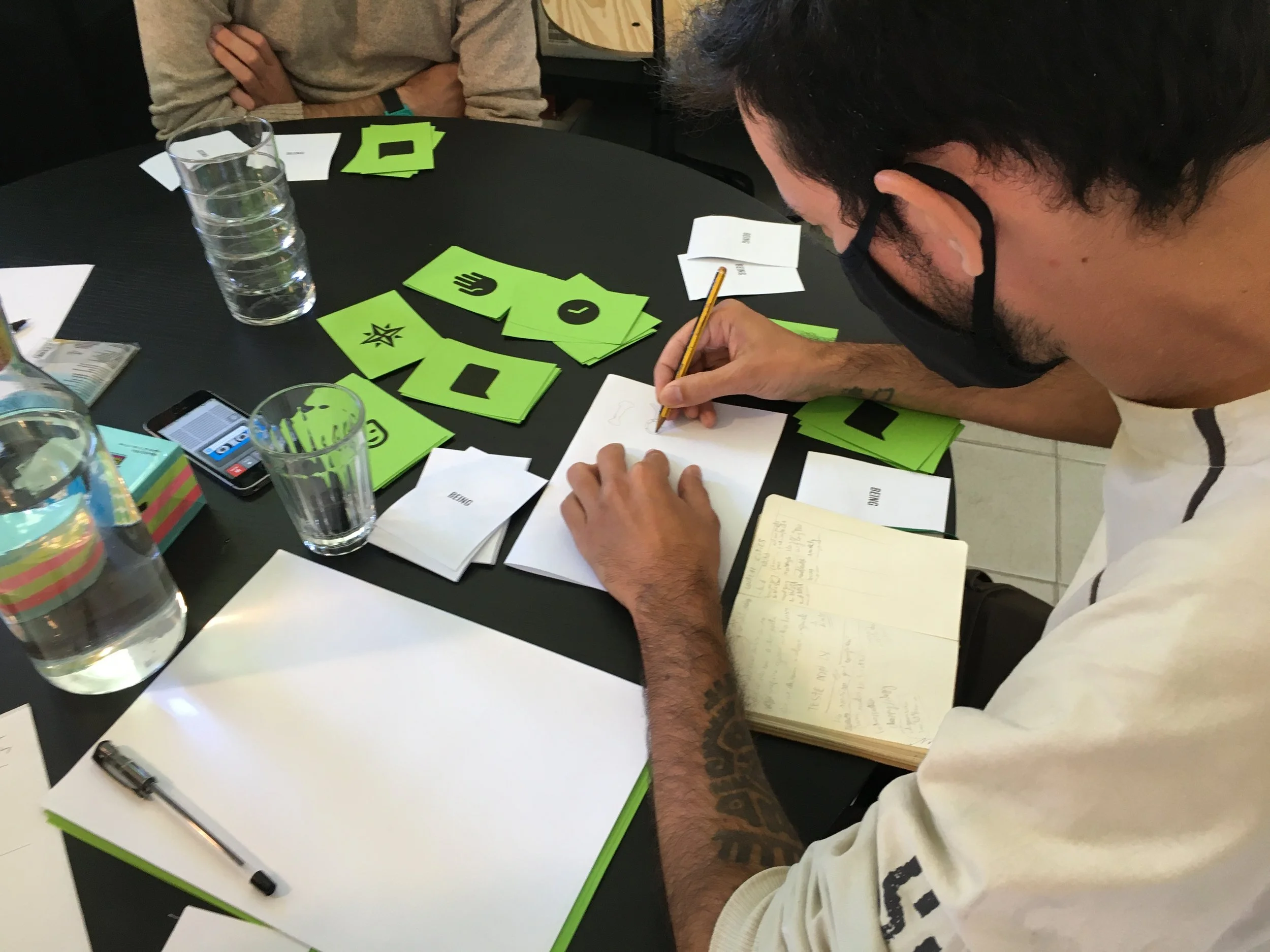
Unreal Cities Studio is experimental and research-driven. We develop new tools and design techniques and draw on these in a collaborative design practice centring on creative workshops, speculative storytelling and gameplay.
HOW WE WORK
We draw on a wide range of research techniques and design approaches, including speculative and critical design, experience design, interaction design, service design, product design, graphic design and branding.
In our projects, we work with these across four core methods:
WORKSHOPS
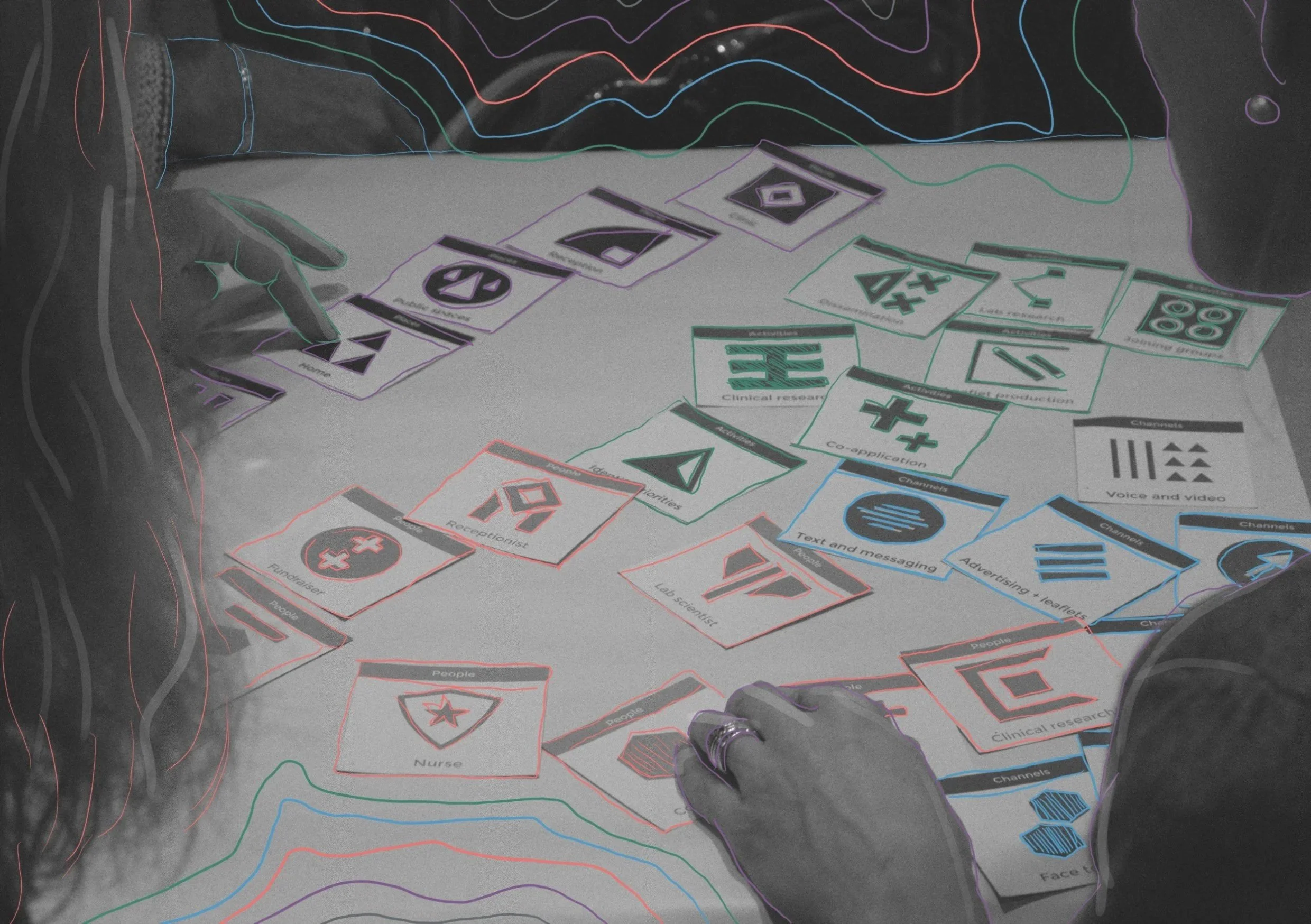
Participatory workshops lie at the core of our practice and all of our projects. Our custom-designed tools use storytelling, games and design activities to provide a collaborative space where groups can work together to imagine different futures and explore their implications.
DEEP CONTEXTUAL RESEARCH
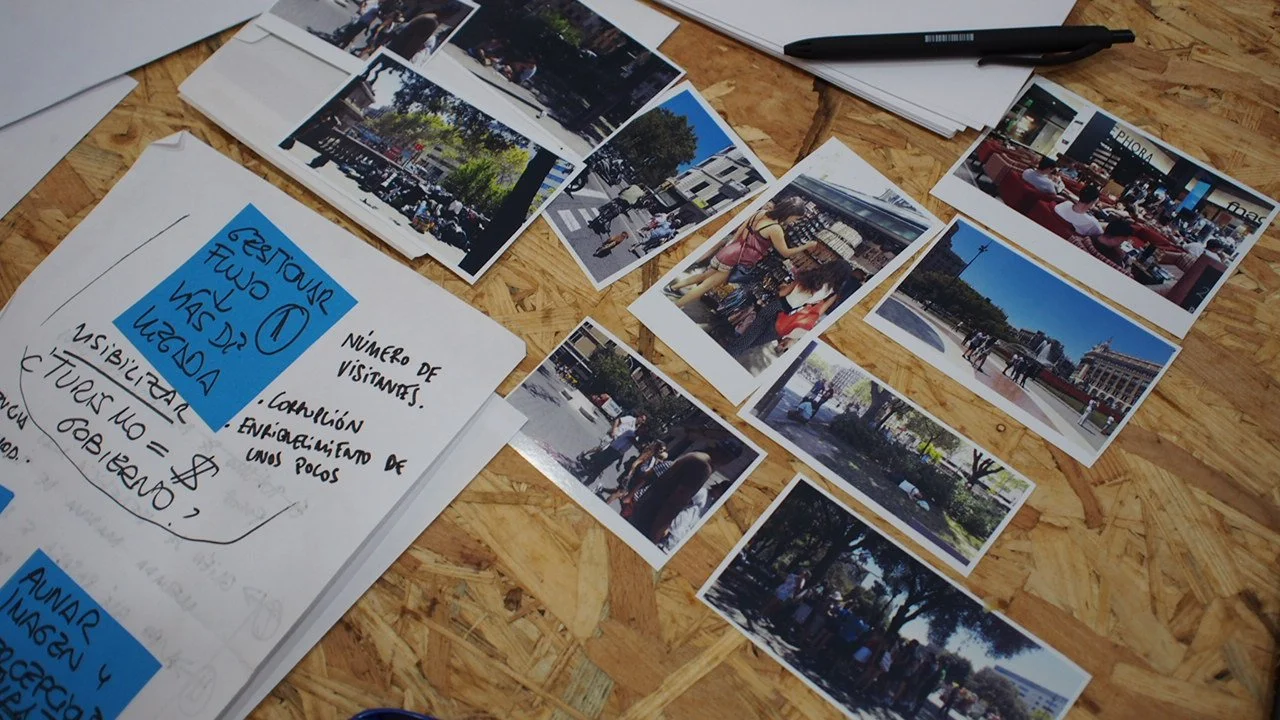
Our work is underpinned by rich theoretical ideas and powerful research methods. We apply these to conduct deep research into the contexts of organisations and the challenges they face, resulting in rich insights and unexpected new avenues to explore.
EXPERIMENTAL PROTOTYPING
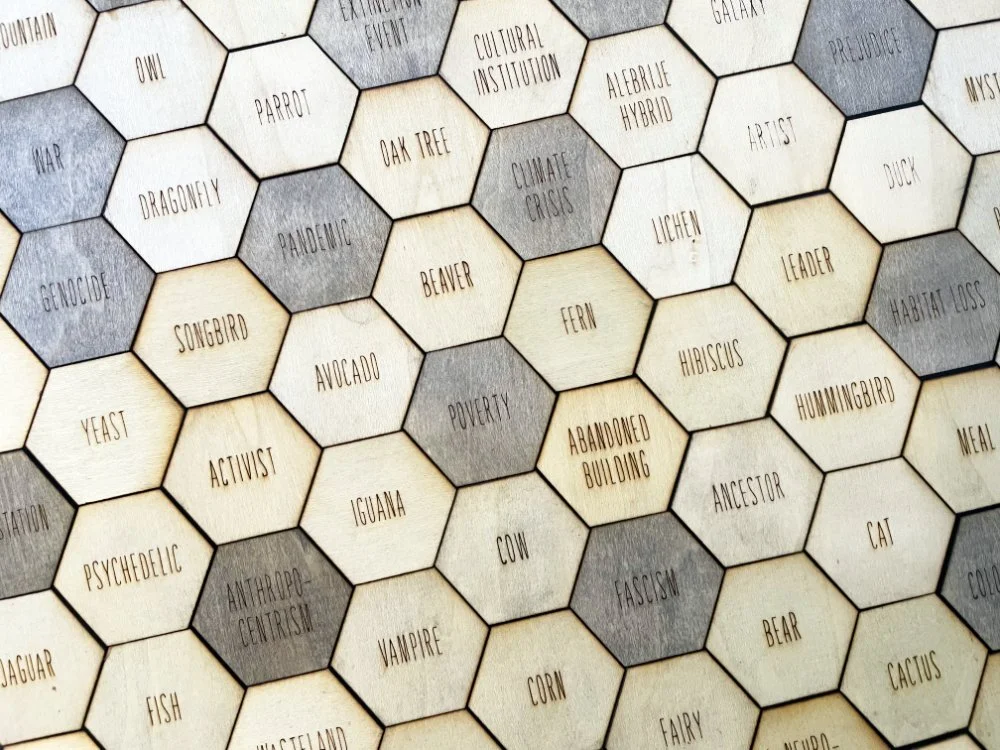
We create speculative design prototypes that bring future visions into physical reality, allowing them to be seen, grasped and shared. These can take the form of high-fidelity design objects, toolkits and card decks, experiential offerings, and reports, recommendations and white papers.
ENGAGEMENT ACTIVITIES
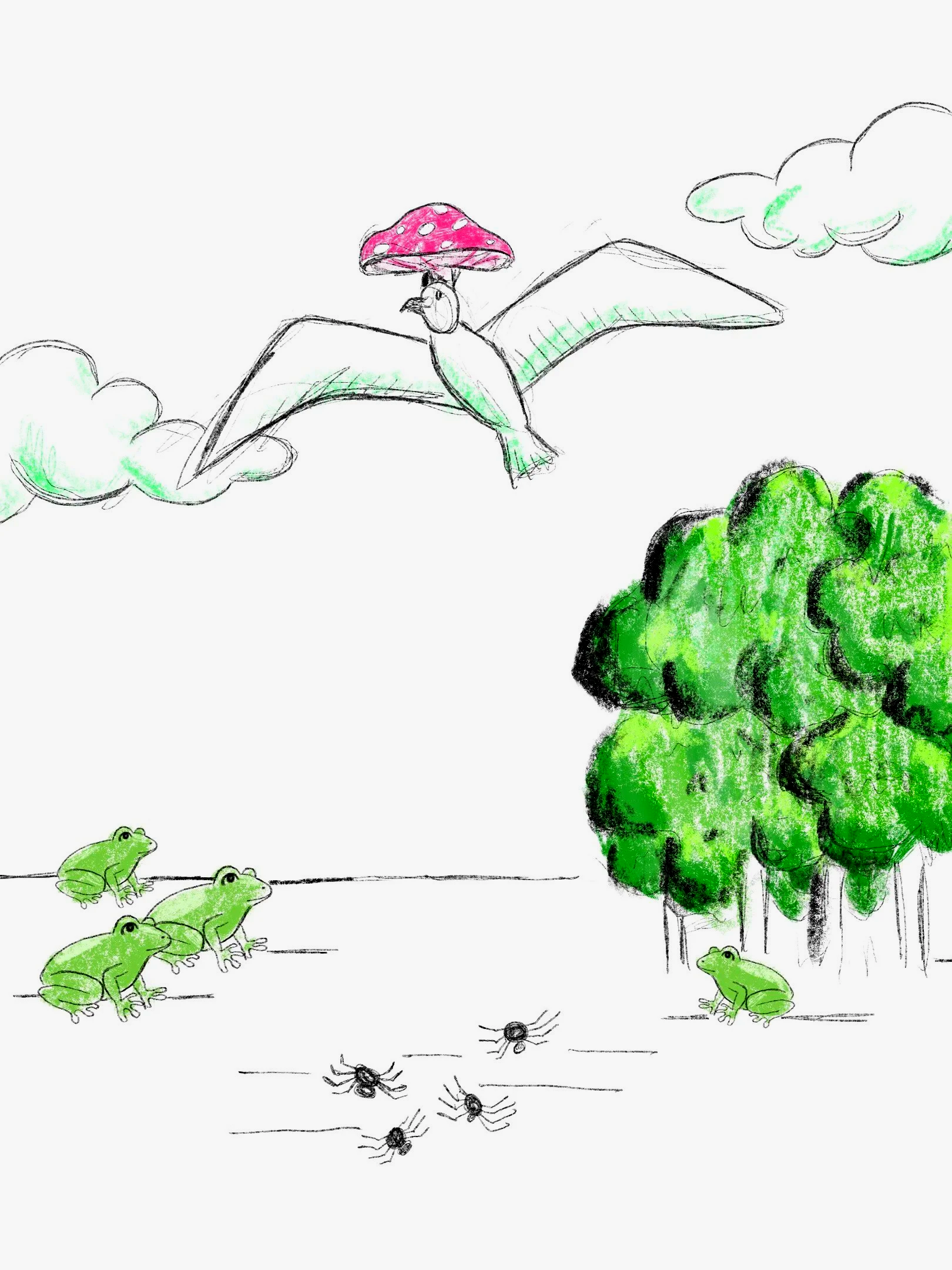
We build engagement activities around a group’s creative visions and our design outputs: slide decks, talks, exhibitions and performances. These will engage and persuade decision-makers, stakeholders, and community members to embrace the futures that you have envisioned.
OUR TOOLS
We have developed custom tools and frameworks to guide our studio practice, underpinned by academic research and a rich range of theoretical ideas about futures thinking, design, society and the environment.
ECOLOGICAL DESIGN FRAMEWORK
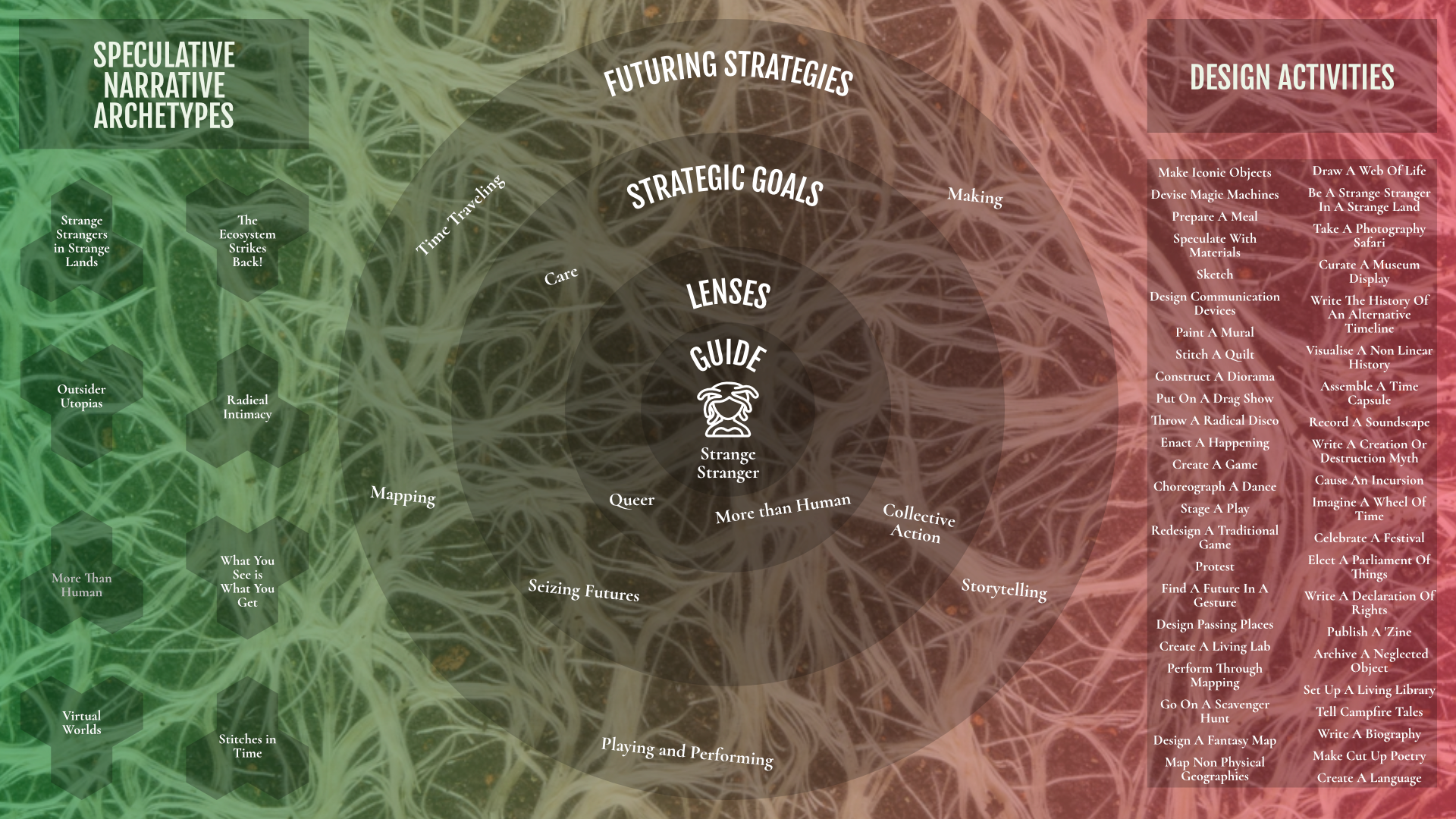
Our validated design framework provides an approach to designing and imagining futures in an ecology-centred way that is sustainable and equitable. The key elements of the framework are the conceptual guide of the Strange Stranger, three strategic goals, and six strategies for future making.
CONCEPTUAL GUIDE

The conceptual guide of the Strange Stranger helps us to go beyond human-centred assumptions, and foreground ecological relations.
STRATEGIC GOALS

The framework emphasises three core strategic goals for organisations to work towards: care, collaboration, and seizing futures.
FUTURING STRATEGIES

The framework provides six strategies for achieving better futures: making, playing, time travelling, mapping, and meal sharing.
SpeculaTIve Design PlaysetS
We have developed speculative design playsets as tools to help put the ecological framework into practice. They use games and design activities to put rich theoretical concepts into the hands of communities and organisations as accessible and creative tools.
Our playsets are designed to lead groups through an entire design project—whether in a short workshop or a longer-term project—from research to idea generation to the creation of design objects.
They are also modular and adaptable, with their components able to be used individually for gaming, community building and design activities.
STRANGE STRANGERS IN STRANGE LANDS
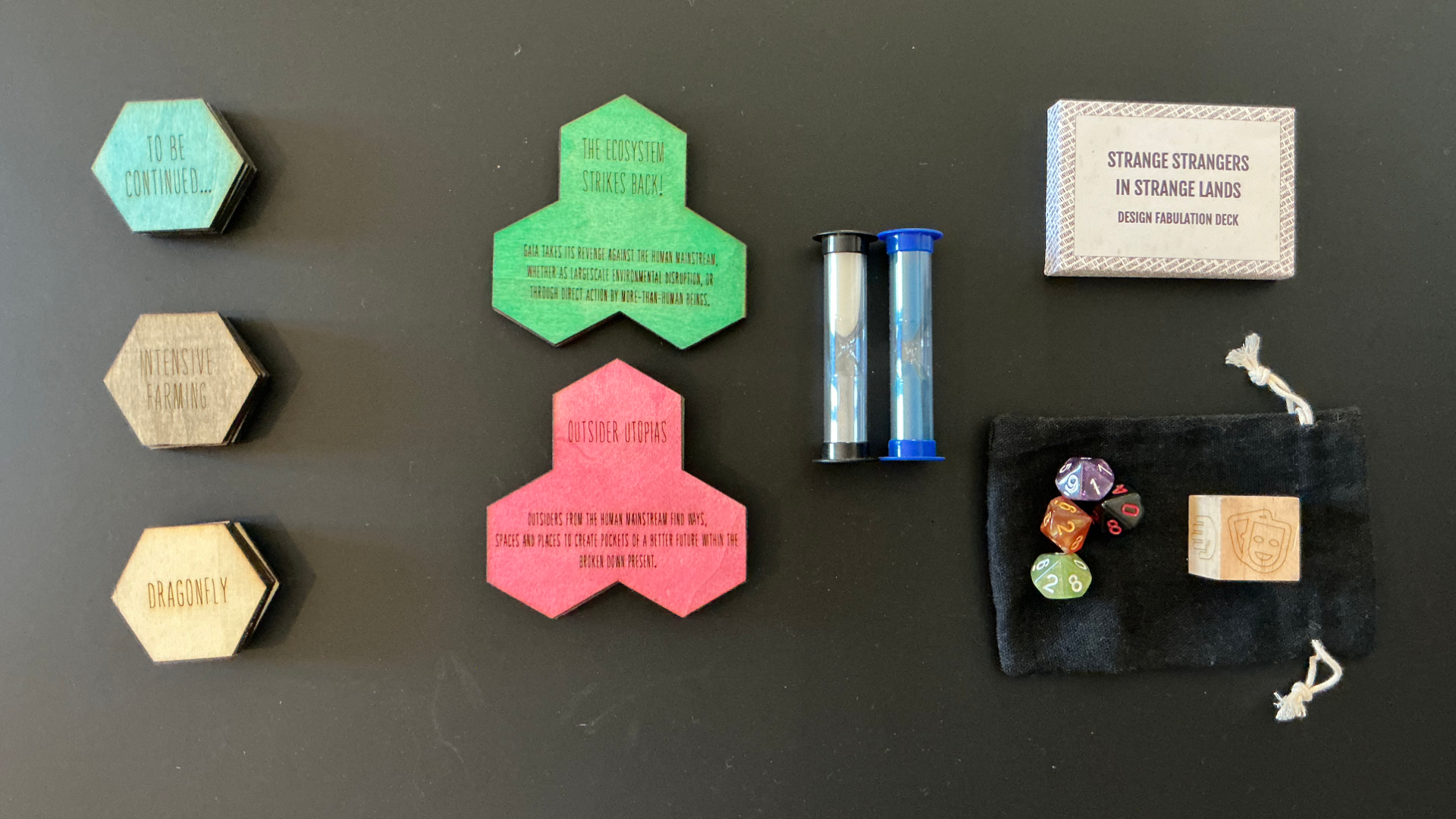
Our signature playset, Strange Strangers in Strange Lands, uses the guide of the Strange Stranger to explore biodiversity challenges in local environments through speculative storytelling and design.
This playset can be adapted to engage with particular challenges an organisation faces, or can be the starting point to create an entirely bespoke playset. It contains…
Collaborative Storytelling Game
The collaborative storytelling game is the core part of the playset, allowing groups to work together to envision future scenarios of more biodiverse worlds.
CONTEXTUAL RESEARCH ACTIVITIES
The design research activities in the playset allow you to frame a local biodiversity challenge your organisation would like to address, and to explore how well the futures you imagine could address these.
Speculative Fiction Prompts
The game uses imaginative prompt tiles drawn from science fiction and fantasy stories, allowing you to build on familiar narratives to explore possible futures.
Design Challenge Deck
A deck of creative design techniques to turn the strategies of framework into tangible activities. These will challenge you to bring to life the futures that you want to work towards.
COMMUNITY BUILDING
A core principle of our practice is to support people coming together to address a challenge together, whether in communities, organisations, groups or companies. We provide this support in three ways:
CREATING
SPACE
Our workshops and playsets provide a space outside of the day-to-day world that allows people to play together and collaborate creatively on envisioning better futures.
PROVIDING
FOCAL POINTS
We use workshop activities and narrative prompts to help communities find a common purpose: a challenge which they can focus on and use to build collective ideas around.
GROWING
CAPACITY
Our participatory focus and co-design methods help communities to build their own capacities, developing the skills to use design and storytelling to achieve their goals.
OUR VALUES
Our design and research projects are guided by a core set of values. These values are well supported both by theory and through lived experience, and underpin all of our work.
WORKING IN
MULTISPECIES WORLDS
We consider relationships between people, environments, and systems, recognising that design decisions affect more than just human needs.
THINKING
THROUGH MAKING
We use design as a way of thinking with the hands, testing ideas through making prototypes, stories and experiments.
DESIGNING
TOGETHER
We create space for people to think, imagine, and make things collectively, valuing collaborative creation over hierarchical solutions.
CARE &
RESPONSIBILITY
We approach projects with close attention to social and environmental impact, aiming for outcomes that are fair, sustainable, and grounded.
IMAGINING
OTHERWISE
We use creative and speculative approaches to question assumptions about the world, and explore how things could be radically different.
PLURAL WAYS
OF KNOWING
We recognise that different forms of knowledge and worldviews are essential to shaping meaningful outcomes.